
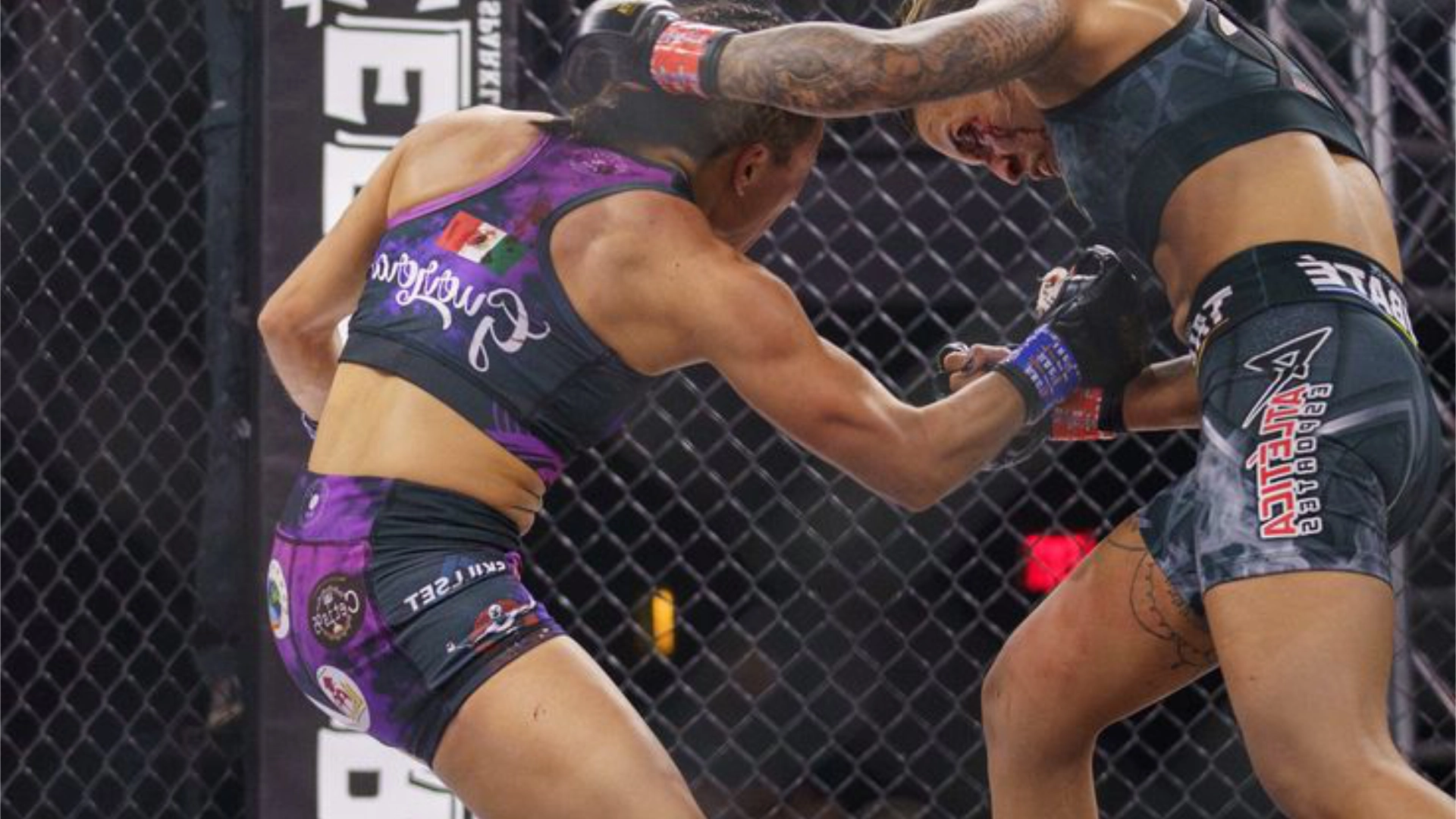
Entry-level UFC fighters earn between $12,000 and $16,000 per fight. Out of that, 10 to 15 percent goes to coaches and training camps, another 30 to 40 percent to federal and state taxes, 5 to 10 percent to management fees and then there are the ongoing costs: MRI scans at $2,500 each, physical therapy at $120 per session, health insurance premiums. A fighter competing three times a year at entry-level pay might net $15,000 to $20,000 after deductions. That’s the financial reality that makes fighter branding and sports sponsorships not a luxury or a marketing exercise but a survival mechanism for most professional MMA athletes.
The UFC’s Sponsorship Economy Where the Big Money Flows
At the organizational level, the business of MMA has become genuinely large. UFC’s sponsorship revenue grew $62.9 million to $314.3 million in 2025 the single largest contributor to UFC’s total revenue growth for the year. For context, sponsorship generated $251.4 million in 2024, about 18% of total revenue a remarkable 28% increase over the previous year’s $196.3 million.
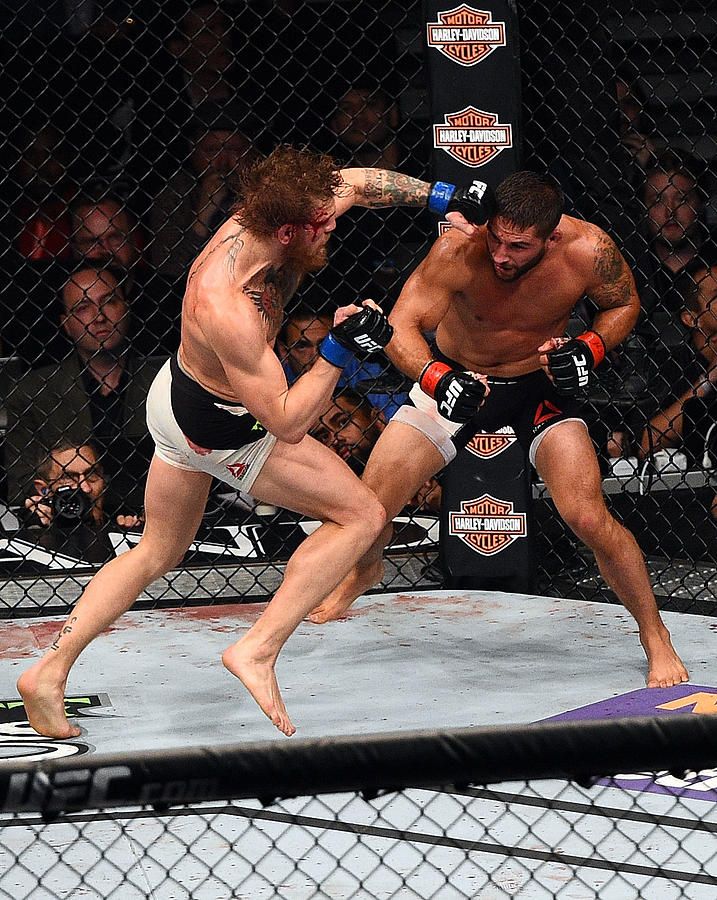
The scale of individual deals reflects how seriously major brands take MMA’s audience. The 10-year, $175 million partnership with Crypto.com made it UFC’s largest sponsorship deal at the time. Monster Energy, DraftKings, and PRIME Hydration are among the other notable sponsors. Monster Energy renewed their partnership in 2025 in a nine-figure deal their biggest ever. The addition of Ram Trucks as the first cross-TKO auto partner covering UFC, WWE and PBR, and Meta as the official fan tech partner, signals that UFC’s partnership team is actively rotating its roster toward category leaders willing to pay premium rates and commit to multi-year terms.
What makes these numbers meaningful beyond their size is what they represent about the UFC’s audience. MMA fans are disproportionately young, male and engaged with the fighters as individuals rather than just the sport as an entity. That personal loyalty the phenomenon of fans following fighters across promotions, buying the products their favorite athletes endorse, watching pay-per-views specifically because of who’s on the card is what brands are actually paying for. The Octagon is a delivery mechanism for eyeballs with unusually high purchase intent.
Fighter Branding The Individual Commercial Layer
The UFC’s organizational sponsorship revenue doesn’t automatically flow to fighters. Understanding where fighter income actually comes from requires separating the promotion’s commercial activity from the individual athlete’s brand-building work and the gap between those two things is one of the more consequential features of the business of MMA. The practical consequence is that fighters who want to build significant income from sports sponsorships must do so outside the Octagon through social media partnerships, personal endorsement deals that don’t involve in-cage branding, merchandise and content creation. This shifts the emphasis from in-fight visibility to personal brand reach, which rewards fighters who invest in their public presence as actively as they invest in their training.
The detailed breakdown of how these sponsorship structures operate for fighters at different levels is covered thoroughly at the Business of MMA including the specific mechanisms by which fighters negotiate outside the UFC’s uniform system and how training facility partnerships function for fighters who haven’t yet built mainstream commercial appeal.
Conor McGregor and the Template for Fighter Brand Building
Conor McGregor is the clearest example of what fighter branding can produce at its ceiling and an instructive one precisely because his commercial success has substantially exceeded his fighting activity over the past several years. McGregor’s Proper No. Twelve whiskey, launched in 2018, was sold to Proximo Spirits in 2021 in a deal valued at approximately $600 million. His ownership stake in the brand generated more money than his fighting career had. TIDL Sport, Forged Irish Stout, his Wearable X clothing collaboration these aren’t traditional sports endorsements. They’re businesses that McGregor built using his personal brand as the founding asset.
The lesson that other fighters have drawn from McGregor is both obvious and difficult to replicate. The obvious part: a fighter with genuine mainstream celebrity can build business interests that create income independent of fight outcomes. The difficult part: McGregor’s celebrity was built through a combination of exceptional fighting ability, elite promotional instinct and specific timing the period when MMA was crossing into mainstream consciousness and needed a figure who could carry it there. That combination of factors doesn’t reliably repeat.
What does repeat, at smaller scales, is the general principle. Fighters who treat their career as a business building social media presence, engaging with fans consistently, making themselves attractive to brands as partners rather than just as logo placement generate meaningfully more income than technically equivalent fighters who don’t invest in that work. The difference between a fighter who earns $80,000 a year and one who earns $200,000 at the same competitive level is often less about fight purses than about sponsorship income generated through personal brand development.
The Regional Fighter’s Sponsorship Reality
The commercial picture looks very different below the UFC level. Regional MMA fighters competing in promotions outside the top organizations typically earn between $2,000 and $5,000 per fight and some early-career bouts pay as little as $500. At that level, the sports sponsorship ecosystem operates almost entirely through local and regional relationships: training facility partnerships that provide gear in exchange for social media mentions, supplement brands that offer product rather than payment, local businesses that want association with an athlete in their community.
These arrangements matter more than they look from the outside. A fighter whose training costs gym fees, nutrition, equipment, coaching are partially covered by in-kind sponsorships is operating with a meaningfully better financial position than one whose costs come entirely out of fight purses. The ability to stay financially solvent through the development phase of a career, without taking fights before you’re ready just to generate income, can be the difference between a career that reaches its potential and one that doesn’t.
Outside the UFC, many fighters rely heavily on sponsorships from training facilities and equipment brands to support their training costs. These agreements allow local gyms and companies to gain exposure while helping fighters sustain their careers. For fighters building toward a UFC contract, the brand-building work that happens at the regional level developing a social media presence, cultivating a local fan base, becoming recognizable as a personality rather than just an athlete creates the foundation that makes them commercially attractive when they do reach the UFC. Fighters who arrive at the UFC with an established following are in a fundamentally different negotiating position than those who arrive as unknown quantities.
Where the Business of MMA Is Heading?
The organizational trajectory for UFC sponsorship is sharply upward. A seven-year, $7.7 billion Paramount media rights agreement signed in August 2025 expanded UFC’s mainstream broadcast profile dramatically, making its inventory more attractive to brand partners seeking reach beyond the core MMA audience. TKO is guiding to $5.675 to $5.775 billion in total revenue for 2026 roughly 20% top-line growth.
For individual fighters, the most significant trend is the increasing importance of digital audience as a commercial asset. A fighter with 500,000 engaged Instagram followers is worth more to certain brands than a fighter with double the Twitter following and no engagement and both may be worth more to digital-native brands than a fighter who relies entirely on in-cage visibility. The fighters who understand this are increasingly approaching their social media presence with the same deliberateness they bring to fight preparation: consistent posting, authentic fan engagement, content that builds a personality rather than just a record.
The structural tension between fighters and the UFC over revenue distribution isn’t going away. Fighters collectively generate the product that makes the UFC’s $314 million sponsorship revenue possible, while individual fighters navigate a compensation system that leaves most of them financially precarious. That tension drives ongoing conversation about fighter unions, revenue sharing models and the long-term sustainability of a system where the organization captures an enormous share of the commercial value that athletes create. The business of MMA is thriving. Whether that prosperity reaches the people who make it possible is a different question.
Social Media as the New Sponsorship Infrastructure
Ten years ago, a fighter’s commercial value was measured almost entirely by their ranking, their win-loss record and their willingness to talk trash before a fight. Those factors still matter. But the commercial calculus has shifted substantially toward metrics that don’t appear on any official scorecard Instagram following, YouTube subscriber count, TikTok engagement rate, podcast listenership.
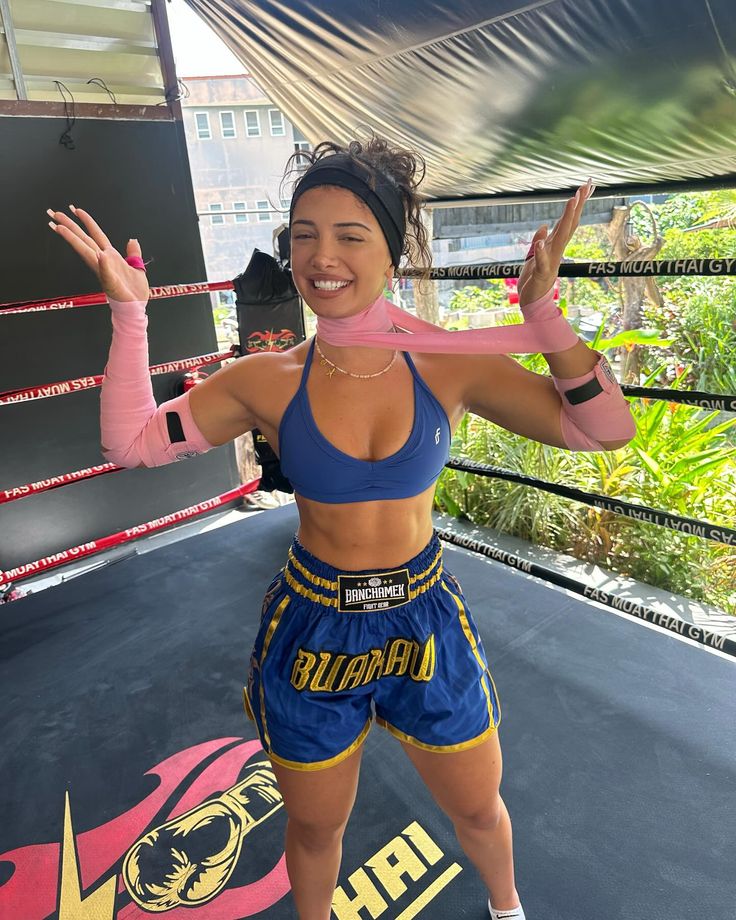
The reason is structural. Brands that used to pay for logo placement on shorts or walkout gear were paying for passive visibility to fight night audiences. Brands that now partner with fighters on social media content are paying for active endorsement delivered directly to an engaged audience that has already opted in to following that fighter’s life. The conversion rates on that kind of endorsement consistently outperform passive logo exposure, which is why sponsorship deals negotiated through social media reach can command rates that don’t correlate with where a fighter sits in the rankings.
Israel Adesanya has built one of the most commercially sophisticated social media presences in MMA his content crosses into mainstream pop culture, gaming and fashion in ways that extend his audience well beyond hardcore fight fans. That reach makes him attractive to brands that would never have considered MMA sponsorships before his rise. Alex Volkanovski, Sean O’Malley and Paddy Pimblett have each built distinct personal brands that generate commercial interest independent of their current championship status. Pimblett in particular whose personality and audience engagement built a large following during his early UFC career demonstrates that marketability can precede elite competitive results rather than follow from them.
The inverse is also true. Technically exceptional fighters who don’t invest in personal brand development leave significant income on the table. A fighter ranked fifth in their division with 50,000 social media followers and a fighter ranked seventh with 800,000 engaged followers are not equally attractive to sponsors and in many cases the lower-ranked fighter will generate more sponsorship income. That financial reality creates incentives for fighters to treat their public presence as seriously as their technical game, which reshapes how fighters approach their careers from the earliest stages.
International Markets and the Global Expansion of MMA Sponsorship
The business of MMA has become genuinely global in a way that creates sponsorship opportunities and complications that didn’t exist when the UFC was primarily a North American product. Saudi Arabia’s investment in combat sports through the Riyadh Season platform that has hosted major boxing events and increasing MMA activity represents a new category of state-backed sports spending that is reshaping what fighter purses and event sponsorships look like at the top level.
Brazilian fighters have long been commercial assets in their home market in ways that don’t always translate to their UFC compensation. A Brazilian champion carries enormous brand value with Brazilian sponsors regardless of whether the UFC’s global deals include Brazilian market activation. The same dynamic applies to fighters from the UK, Ireland, Russia and increasingly from markets like Nigeria and Kazakhstan as MMA’s global fanbase expands. A fighter whose primary audience is in a market where UFC’s current sponsorship deals have limited activation creates an opportunity for locally negotiated deals that operate parallel to the UFC’s centralized sponsorship structure. This international dimension adds complexity to how fighter branding is managed. A fighter who wants to maximize commercial value globally needs representation that understands multiple markets, multiple regulatory environments for advertising and endorsement, and the specific brand categories that resonate in each territory. That level of commercial sophistication is available to established stars but rarely accessible to developing fighters which creates another advantage for fighters who reach mainstream status and can invest in professional commercial management.
The trajectory of MMA as a commercial property suggests the sponsorship economy will continue expanding at both the organizational and individual level. UFC’s media rights deals, growing international events calendar and increasing mainstream visibility are creating a larger platform every year. For fighters who understand that their commercial value is built through consistent brand development rather than through fight results alone, that expanding platform represents genuine opportunity. For fighters who treat the business side as secondary to the athletic side, the gap between what they earn and what they generate for the organizations around them will remain wide.


Leave a Reply